
Call Us Today!
Call Us Today!

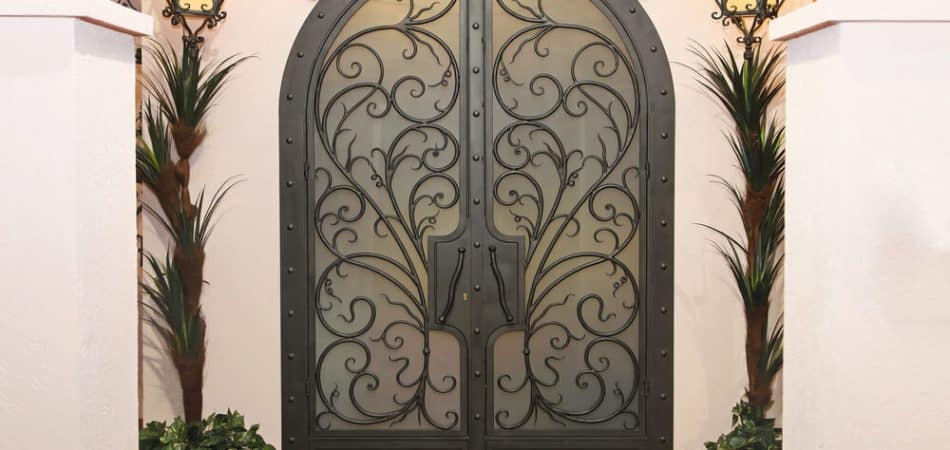
By the time installation day arrives, the hard work is mostly done. The door has been designed, fabricated, finished, and delivered. But installation day still matters—a beautifully built door can be ruined by sloppy install, and a simple assembly can be elevated by careful technique. Here’s exactly what to expect during an iron door installation from TurnKey Ironworks, step by step.
Four to eight weeks before install, your door is in fabrication. One to two weeks before the scheduled date, the project coordinator contacts you to confirm:
You’ll also receive reminders about what to expect so there are no surprises.
The install crew—typically two to three ironworkers—arrives between 7:30 and 9:00 AM on most residential projects. They lay down floor protection, set up a workstation, and walk through the job with you to confirm the scope and flag anything that’s changed since the last site visit.
The existing door, frame, and threshold are removed. Hinges are unscrewed, the frame is cut out, and any existing weatherstripping and caulking are stripped. This is messier than it sounds—expect some dust and debris. The crew contains the mess to a single work area.
With the old door out, the rough opening is inspected. The crew checks for:
Minor adjustments (shimming, squaring, sill repair) happen on the spot. Significant structural problems (rotted header, cracked masonry, termite damage) sometimes require a separate trade to address before installation can continue—rare but possible on older homes.

The new iron frame is lifted into the opening and temporarily supported. The crew uses shims and a four-foot level to set the frame plumb and square. Once aligned, the frame is anchored to the structural framing with heavy-duty tapcon screws, structural lags, or—on masonry openings—expansion anchors. Anchor spacing typically runs every 18–24 inches.
The threshold is set in a heavy bead of polyurethane or marine-grade silicone. This is one of the most important steps for long-term performance—a poorly sealed threshold is the #1 source of water intrusion and eventual frame corrosion. We also run a sealant bead at the base of each jamb to stop water from wicking up through the wall.
The door leaf is lifted into position and hung on the hinges. The installer adjusts the hinge leaves to fine-tune the fit—gaps between door and frame, swing clearance, and latch alignment. Multi-point locks require precise strike placement; the installer operates the door several times while adjusting.
Compression weatherstripping is fitted around the frame. The bottom sweep is adjusted to seal against the threshold without dragging. On adjustable thresholds, the threshold height is tuned to create a snug but smooth-operating seal.
The lockset, deadbolt, and any multi-point hardware are installed, keyed, and tested. The installer demonstrates each lock, hands over the keys, and explains any adjustment screws you might need to tweak in the future.
A paintable exterior caulk is applied around the frame-to-siding joint. Interior casing is adjusted or re-installed to meet the new frame. On historic homes, we preserve original casing whenever possible.
Floor protection is removed, debris is bagged, and the work area is swept. The old door and frame are hauled away unless you’ve asked to keep them.
The lead installer walks you through the finished door:
Any questions or concerns are resolved before the crew leaves. You sign a completion form, and the final balance is collected.
| Door Type | Typical Install Duration |
|---|---|
| Single entry (standard opening) | 4–6 hours |
| Single entry with sidelights | 5–8 hours |
| Double entry | 6–10 hours (often 1 full day) |
| Pivot door (oversize) | 1–2 days |
| Commercial with panic hardware | 1–2 days |
| Historic masonry opening | 1–2 days (opening-dependent) |
Surprisingly common in older New Orleans homes. We carry replacement lumber and can repair minor rot on the spot. Major rot occasionally requires a framer or mason to intervene—we’ll coordinate the trade and reschedule the door install.
Openings that settle over decades often aren’t square. Shim and scribe techniques handle most variation. Severe out-of-square sometimes requires trim infill for a clean finish.
We don’t install iron doors in heavy rain—sealants and caulks won’t cure properly. If the forecast turns, we reschedule for the next available dry day.
Multi-point locks sometimes need post-install adjustment as the home settles or seasonal humidity shifts the frame. We return free of charge for adjustment in the first year.
In the first 30 days, the installer is available for adjustments and questions. After that, your door is yours. Annual maintenance is light—see our post on how long iron doors last for the full care schedule.
For the full overview of iron doors including types, benefits, and cost, see our complete iron doors guide. For a deeper look at the fabrication process that precedes installation, read our post on how iron doors are made.
TurnKey Ironworks handles every iron door project from measurement through installation. Contact us to start your design consultation.
A standard single iron entry door is typically installed in 4–6 hours. Double doors, sidelights, and pivot doors usually take a full day. Commercial and historic masonry installations can take 1–2 days.
At least one adult should be available at the start for the walkthrough, at the end for the final walkthrough, and occasionally in between for quick decisions. You don’t need to hover—most homeowners work or run errands between checkpoints.
Most openings in older homes aren’t perfectly square. Installers use shims and scribing techniques to fit the new frame to the actual opening. Severe out-of-square situations occasionally require trim infill for a clean finish.
The crew protects floors, walls, and interior casing before starting. Minor touch-up of interior paint around the door casing is sometimes needed after installation, especially on homes where original trim is preserved.
Call the project coordinator or email photos of the issue. Within the first year, adjustments and warranty work are free of charge. Beyond the warranty period, we still respond quickly to any service call.
Yes. Brick, stucco, and stone openings are common in New Orleans and fully supported. Masonry installations use expansion anchors and additional sealing to accommodate the material, and they typically take longer than installations in wood-framed openings.
 Turnkey Ironworks