
Call Us Today!
Call Us Today!

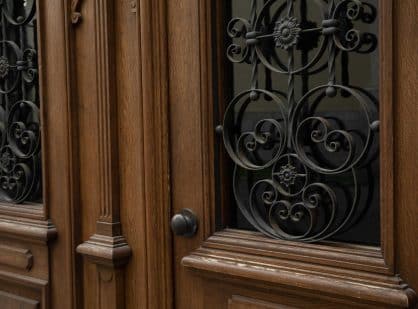
Custom ironwork preserves an older New Orleans home’s character by matching new railings, gates, and doors to the wrought or cast-iron patterns original to the property’s era, whether Creole cottage, shotgun house, or Greek Revival design. In French Quarter and Garden District historic districts, exterior ironwork changes typically require review from the city’s preservation commissions before installation begins. Working with a fabricator familiar with these guidelines helps homeowners keep period-appropriate style intact.
Many of New Orleans’ older homes carry ironwork that has survived hurricanes, humidity, and a century of use. When that ironwork needs repair or replacement, matching the original style matters as much as the metal itself.
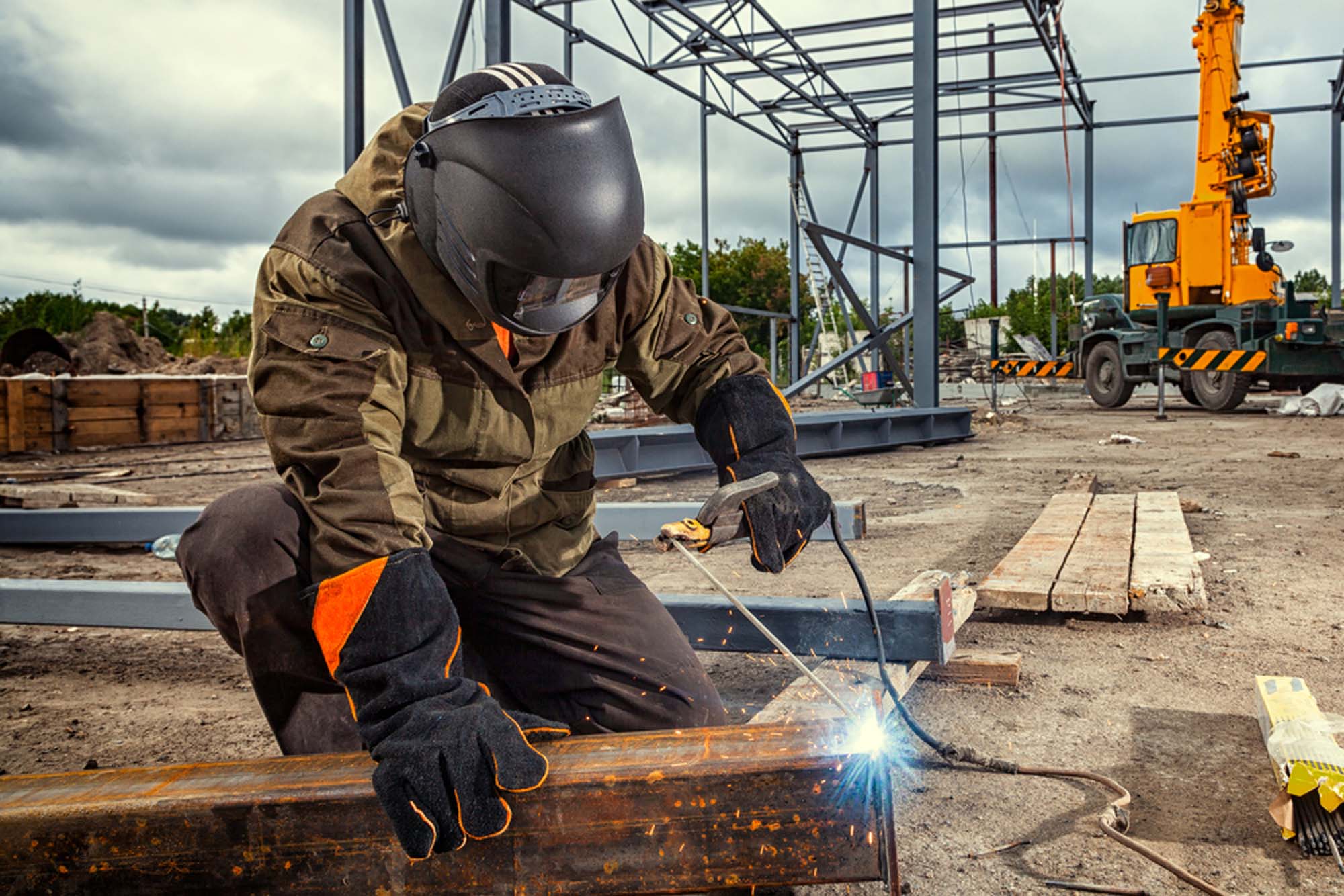
At TurnKey Ironworks, we specialize in custom ironwork built to match a home’s original character rather than a generic catalog design. Our fabricators study a property’s existing rail patterns, gate details, and gallery ironwork before cutting a single piece of metal.
Getting this balance right protects both the home’s resale value and its place in the neighborhood’s architectural history. Contact us today to talk through your home’s ironwork and get a custom plan that respects its original style.
Custom ironwork is fabricated to match a specific home rather than pulled from a catalog. For older New Orleans properties, that distinction shapes everything from pattern to finish, starting with custom iron fabrication built around the property.
Hand-forged wrought iron first appeared on New Orleans buildings in the 1790s, during the city’s Spanish colonial period, when local blacksmiths began making balcony and gallery railings. The iron used then contained a small amount of carbon, which let smiths hammer and bend it into geometric and curving patterns by hand. That hand-forged look, thinner and more restrained than later cast-iron work, still defines many of the city’s oldest French Quarter facades today.
By the mid-1800s, cast iron had largely replaced hand-forged work on New Orleans’ most elaborate facades. Foundries could mold intricate, lacy patterns and reproduce them across many buildings, which is why the ornate galleries around Jackson Square and throughout the French Quarter share a similar decorative language. The well-known ironwork on the Pontalba Buildings, cast in the late 1840s, remains one of the clearest examples of this shift toward foundry-made design.
Ironwork does more than decorate an older New Orleans home. It marks the building’s construction era, signals its architectural style, and often distinguishes one block from the next along the same street. Removing or mismatching it changes how the whole facade reads, even when the rest of the structure stays untouched.
The city’s older homes come in a handful of recognizable styles, each with its own ironwork tradition. Matching a replacement to the right style keeps a renovation from looking out of place.
Creole cottages, common in the French Quarter, Marigny, and Bywater, are raised on piers with broad galleries that historically doubled as outdoor hallways. Many of the more elaborate Creole townhouses added cast-iron balcony railings on their upper floors, often in scrolling or floral patterns from the city’s 19th-century ironwork boom. A custom iron railing for this style typically stays true to that lighter, lace-like look rather than a bulkier modern design.
Shotgun houses, found throughout the Irish Channel, Central City, and the Seventh Ward, are narrow homes built one room behind the next with no interior hallway. Their porches are often trimmed in lighter, lacy ironwork or decorative rail patterns rather than the heavier cast iron used on French Quarter townhouses. Custom fabrication for a shotgun house usually favors that same delicate, modest scale over an oversized design.
Greek Revival architecture reached New Orleans in the 1820s, adding columns, pediments, and symmetrical facades to homes that still followed earlier Creole floor plans. Ironwork on these properties tends toward simpler, more geometric fence and gate designs that complement the classical lines rather than compete with them. A custom fence for a Greek Revival home should echo that restraint instead of adding ornate cast-iron flourishes better suited to a French Quarter gallery.
Many of New Orleans’ older neighborhoods sit inside a historic district, which affects how ironwork projects get approved. Knowing which commission oversees a property saves time before fabrication starts.
The Vieux Carré Commission oversees exterior changes to properties inside the French Quarter, including ironwork, galleries, and masonry. Its published design guidelines call for protecting historically significant ironwork and reviewing new work for compatibility with a building’s original character. Homeowners planning a French Quarter ironwork project should expect that review step before installation begins.
Outside the French Quarter, many older neighborhoods, including sections of the Garden District, fall under the Historic District Landmarks Commission. In its full-control districts, exterior work such as fences, gates, and porch railings generally needs a Certificate of Appropriateness before work begins. Iron and steel are typically well received, since ironwork has been part of the city’s architecture since the early 1800s.
Not every ironwork repair triggers a full review. Routine maintenance, like repainting or minor rust touch-ups, is usually treated differently than replacing a rail, gate, or fence outright. Since that line isn’t always obvious, it’s worth confirming with the applicable commission before assuming a project is exempt.
Once a home’s style and district requirements are clear, the next decision is which ironwork approach actually fits. Not every option delivers the same level of historic accuracy.
| Ironwork Approach | Historic Accuracy | Best For |
|---|---|---|
| Custom hand-forged wrought iron | Closest match to pre-1900 originals | Homes under strict historic district review |
| Custom cast-iron reproduction | Matches 19th-century decorative patterns | Creole cottage or Garden District-style homes |
| Modern powder-coated steel | Contemporary look, not period-accurate | Additions or non-historic sections of a property |
| Off-the-shelf aluminum panels | Lowest historic accuracy | Budget projects outside review districts |
Before fabricating anything new, it helps to study what’s already on the property, including rail spacing, scroll patterns, and gate hardware. Older ironwork often has irregularities from hand-forging or foundry casting that a reproduction should account for. Matching those details is what keeps a repair from looking noticeably newer than the rest of the home.
Custom forged or cast iron offers the closest match to a home’s original ironwork, since it can replicate hand-forged texture or period casting patterns exactly. Reproduction panels and modern steel alternatives cost less but rarely hold up to close inspection next to a historic gallery or custom iron gate. The table above shows where each approach fits.
The most common misstep is installing a heavier, more ornate style than the home ever had, which can look like an add-on rather than a period feature. Mixing finishes, such as a bright, glossy powder coat on a home with faded historic ironwork elsewhere, has the same effect. A custom approach built around the home’s actual history avoids both problems.
An older New Orleans home’s ironwork is part of what makes it recognizable on the block, and getting a replacement wrong can undo decades of character in a single project. Getting it right keeps the home in step with its own history.
TurnKey Ironworks builds custom rails, gates, and fences designed around each home’s original character rather than a standard template. Call us today to plan ironwork that fits your home’s style.
Ironwork became common on New Orleans homes because local blacksmiths began forging balcony and gallery railings in the 1790s, and cast iron later expanded the style through elaborate 19th-century galleries. That history is why ironwork still defines much of the city’s older architecture today.
Replacing ironwork inside one of New Orleans’ historic districts usually requires review from either the Vieux Carré Commission or the Historic District Landmarks Commission, since both typically treat rails, gates, and fences as reviewable exterior changes. A fabricator familiar with these districts can help confirm which process applies to a specific property.
Wrought iron is hand-forged by a blacksmith, hammered and bent into shape, which gives it a simpler, more restrained look common on the city’s earliest ironwork. Cast iron is poured into molds at a foundry, allowing for more elaborate, lacy patterns produced at a larger scale.
Modern ironwork can go on a historic New Orleans property, but homes inside a historic district generally need the new design to be compatible with the building’s original character under the applicable commission’s guidelines. Custom fabrication built around a home’s existing style is typically easier to get approved than an off-the-shelf pattern.
Custom ironwork costs vary widely depending on the scope, whether it’s a single gate, a full gallery rail, or a fence, and on how closely the design needs to match historic patterns. A fabricator can provide an accurate estimate after reviewing the specific home.
Creole cottages typically feature broad galleries raised on piers, and the more elaborate examples include cast-iron balcony railings in scrolling or floral patterns from the city’s mid-1800s ironwork boom. Custom rails for this style usually favor that lighter, decorative look over heavier modern designs.
Custom ironwork fabrication timelines depend on the project’s complexity and whether the property requires historic district approval, which can add review time on top of standard fabrication. Homeowners in a review district should plan for that approval step.
Damaged historic ironwork can often be repaired rather than replaced, especially when the underlying structure is sound and only sections need rust removal, welding, or reinforcement. Repair is usually the preferred first option in historic districts, since it preserves more of the original material.

 Turnkey Ironworks