
Call Us Today!
Call Us Today!

When it comes to construction, home improvement, and design projects, selecting the right material is important. From fencing and gates to railings and custom decorative pieces, the material you choose significantly impacts the functionality, aesthetics, and longevity of the finished product.
Among the different options available, iron stands out as a top contender for its superior qualities. At TurnKey Ironworks, we have seen firsthand why iron is worth the investment, and in this blog, we’ll explore its advantages compared to other materials.
One of the most compelling reasons to choose iron is its unmatched durability. Iron is incredibly strong and resistant to wear and tear, making it ideal for both indoor and outdoor applications. Unlike wood, which can warp, crack, or rot over time, or aluminum, which is prone to denting, iron remains steadfast even in the harshest conditions.
For example, iron fences and gates can withstand heavy winds, rain, and even physical impact without compromising their structural integrity. This durability translates into fewer repairs and replacements over time, saving you money in the long run.
Ironwork has a timeless quality that adds sophistication and elegance to any space. Whether it’s an ornate iron gate, a sleek modern railing, or custom decorative pieces, iron can be made into different styles to suit your aesthetic preferences.
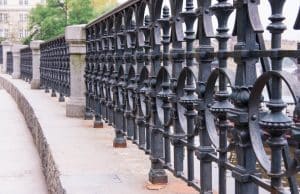 When it comes to strength, iron outperforms many other materials. This is especially important for applications that require structural support, such as stair railings, balconies, and fences.
For instance, wood may weaken over time due to exposure to moisture and pests, while materials like aluminum lack the tensile strength to bear significant loads. Iron, on the other hand, retains its strength and stability, ensuring safety and reliability for years to come.
While iron may require an upfront investment, its low maintenance needs make it a cost-effective choice over time. With proper treatment and occasional upkeep, iron can resist rust and corrosion, ensuring it remains in pristine condition.
In contrast, materials like wood require regular staining, sealing, or painting to maintain their appearance and functionality. Vinyl and aluminum, though lower maintenance than wood, may still require repairs due to cracking or denting.
For those concerned about sustainability, iron is an excellent choice. Unlike vinyl or plastic materials, which are often non-recyclable and contribute to environmental degradation, iron is fully recyclable.
When an iron product reaches the end of its lifecycle, it can be melted down and repurposed without losing its quality. This makes iron a more eco-friendly option compared to many alternative materials.
While the initial cost of iron may be higher than some materials like wood or vinyl, the long-term benefits outweigh the upfront expense. Iron’s durability and low maintenance requirements mean fewer repairs, replacements, and upkeep costs over its lifespan.
For instance, a wooden fence might need replacement every 10 to 15 years due to rot or weather damage, whereas an iron fence could last several decades with minimal maintenance.
 Iron’s versatility makes it a popular choice for a wide range of applications. From functional items like gates and railings to decorative features like garden arches and wall art, iron can be tailored to suit various needs.
For example, wrought iron is ideal for decorative projects due to its malleability, allowing intricate patterns and shapes. Cast iron, on the other hand, is perfect for heavy-duty applications that require additional strength.
Let’s take a closer look at how iron compares to other common materials in construction and design projects:
Choosing iron instead of other materials is a smart choice that offers lasting value. It’s strong, durable, attractive, easy to maintain, and environmentally friendly, making it a top option for many uses. While it might cost more at first, the long-term savings and benefits make it well worth the investment.
At TurnKey Ironworks, we’re here to help you make the most of your investment. Contact us today to learn more about our custom ironwork services and how we can bring your vision to life.
 Turnkey Ironworks