
Call Us Today!
Call Us Today!

Iron doors typically last 30 to 50 years, and high-quality wrought iron ones often endure 50 to 100 years or more with proper care. This outlasts wood or fiberglass doors by a wide margin. They deliver unmatched strength, top-notch security, and resistance to warping or rot, but regular upkeep keeps rust at bay.
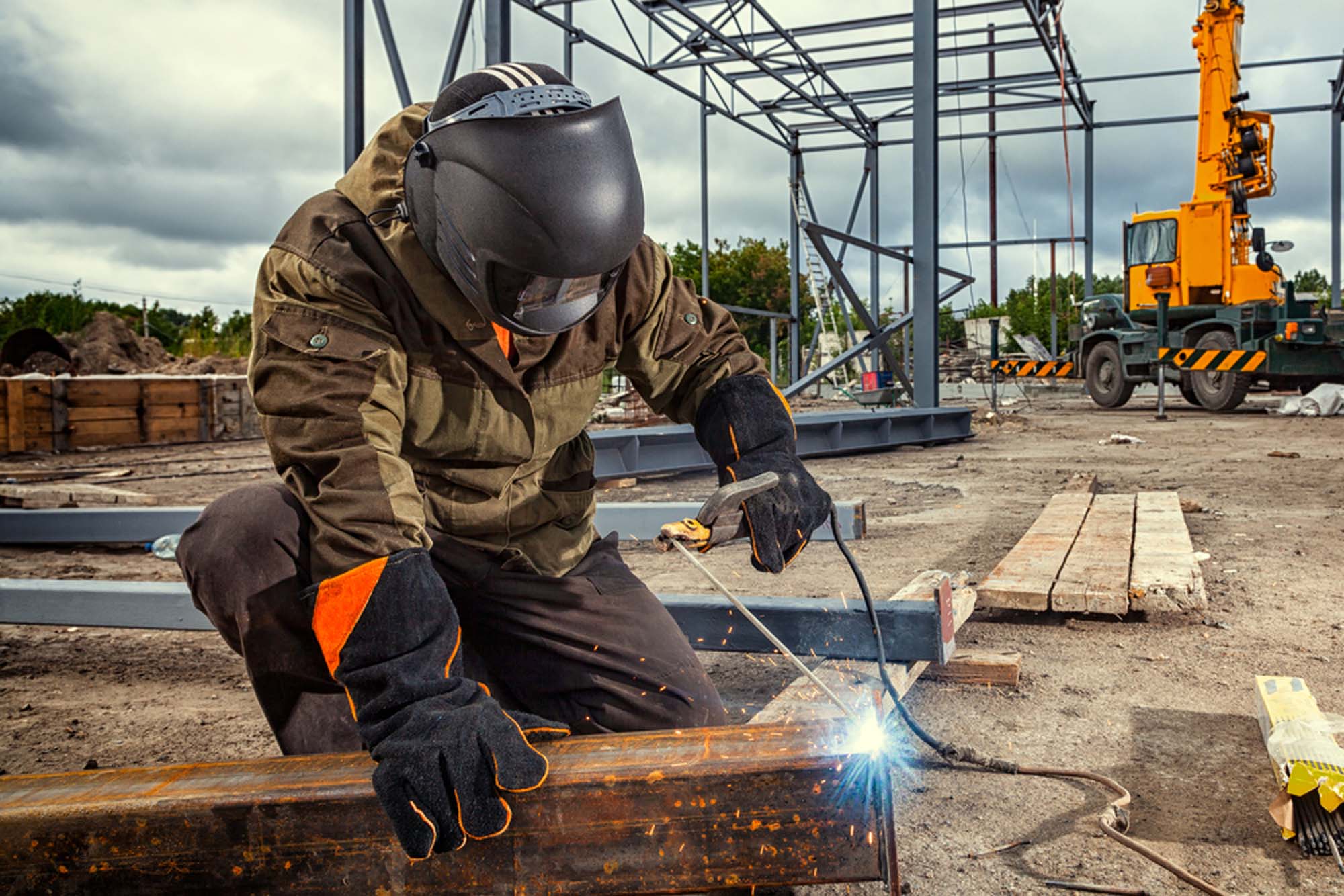
The biggest single factor. Poorly welded joints trap moisture and cause hidden corrosion. Properly welded, ground, and primed iron is effectively sealed against the atmosphere. At TurnKey Ironworks, every weld is ground smooth, cleaned, and primed before the top coat to prevent this.
A baked-on powder coat over a zinc-rich primer is the gold standard. It forms a durable barrier that resists chipping, UV degradation, and moisture. Hand-applied enamels are beautiful but require more touch-up. Bare or clear-coated “raw” iron looks industrial but needs more frequent refinishing—especially in humid climates.
New Orleans is one of the more challenging door climates in the country: high humidity year-round, salt air near Lake Pontchartrain and the river, heavy UV in summer, and the occasional hurricane. Doors sheltered by a covered porch last significantly longer than doors directly exposed to sun and rain.
A twenty-minute annual inspection catches 95% of problems while they’re cheap to fix. Owners who ignore the door for a decade usually face either major refinishing or replacement of rust-damaged sections.

Catching any of these early is inexpensive. Letting them persist is how small issues become major restoration projects.
| Door Material | Typical Lifespan | Main Failure Mode |
|---|---|---|
| Hollow steel (stock) | 10–15 years | Face dents, rust-through |
| Fiberglass | 20–30 years | UV fade, surface cracking |
| Solid wood | 25–40 years | Warping, rot at threshold |
| Custom iron | 50–100+ years | Finish wear (usually cosmetic) |
High humidity is the main reason people worry about iron doors rusting. In practice, modern finishes handle New Orleans humidity with no issue.
The places where humidity does cause problems:
For shoreline or near-shoreline homes, we recommend marine-grade sealants at the threshold and a mid-year inspection in addition to the annual one.
A properly built iron door rarely needs full replacement. Instead, every 15–25 years, the finish can be stripped, weak spots re-welded, and a fresh powder coat applied—bringing the door back to like-new condition at a fraction of replacement cost. This is one of the reasons iron is the most economical premium door material on a cost-per-year basis.
TurnKey Ironworks inspects, repairs, refinishes, and replaces iron doors across the New Orleans metro. Contact us to schedule a site visit.
A properly built and maintained iron door typically lasts 50 to 100 years or more. With baked-on powder coat finishes and annual maintenance, lifespans in the upper end of that range are common even in humid climates like New Orleans.
Properly primed and powder-coated iron doors resist rust even in New Orleans humidity. Rust usually only appears when the finish is chipped, and the bare metal is left exposed. Annual inspection and touch-up prevent this.
A quick annual inspection, wash, and touch-up is enough for most iron doors. Homes near the lake, river, or Gulf should add a mid-year check because of salt air.
Yes. Most iron doors can be stripped, cleaned, re-welded where needed, and refinished at 15–25 year intervals. Refinishing typically costs a fraction of replacement and extends the door’s life by decades.
Quality welding, proper zinc-rich primer, a baked-on powder coat top coat, compression weatherstripping, an adjustable threshold, and annual maintenance. Every one of these factors adds measurable years to the door’s life.
For nearly every iron door, maintenance and refinishing are more economical than replacement. A full refinish typically runs 15–25% of the cost of a new door and restores most of the original service life.
 Turnkey Ironworks